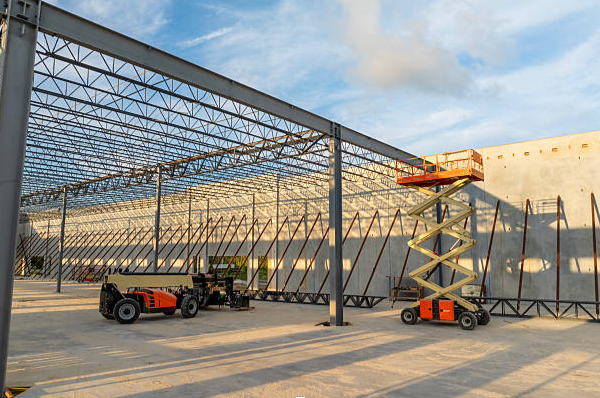
As industrial facilities continue to evolve, businesses are looking for smarter ways to improve productivity while maintaining safe and reliable operations. Electrical automation has become a key driver of this transformation by connecting equipment, monitoring systems, and production processes through intelligent controls. Instead of relying heavily on manual intervention, automated electrical systems help facilities operate with greater consistency, minimise downtime, and respond more quickly to changing operational demands.
Whether upgrading an existing facility or planning a new industrial project, investing in integrated electrical Services creates a strong foundation for long-term performance. Working with an experienced industrial electrical contractor also ensures that automation systems are designed, installed, and maintained to support both efficiency and future expansion.
Why Electrical Automation Is Essential for Modern Industrial Facilities
Industrial operations depend on reliable electrical infrastructure to keep equipment, machinery, and production lines running efficiently. Electrical automation enhances this infrastructure by introducing intelligent control systems that improve communication between different operational components. Rather than managing processes independently, automated systems work together to create a more responsive and efficient facility.
Businesses that adopt automation early often gain greater operational flexibility while reducing unnecessary interruptions and improving day-to-day performance.
See also: How King of Freight Helped Businesses Adapt to Changing Logistics Demands
Creating Smarter Operational Control
Modern automation systems provide centralised control over multiple pieces of equipment, allowing operators to monitor and manage processes from a single interface. This reduces manual oversight while improving operational consistency across the facility.
Benefits include:
- Faster response to operational changes
- Improved equipment coordination
- Reduced manual intervention
- Greater process visibility
- Better production consistency
A well-designed automation system helps businesses make informed decisions based on real-time operational data rather than manual observations alone.
Supporting Reliable Electrical Performance
Reliable electrical infrastructure is essential for maintaining continuous industrial operations. An experienced industrial electrical contractor can design systems that provide stable power distribution while supporting future automation requirements.
Carefully planned integrated electrical Services also make it easier to expand facilities or introduce new technologies without major disruptions to existing operations.
Improving Workplace Safety Through Automation
Safety remains one of the most important priorities in any industrial environment. Electrical automation contributes by reducing manual interaction with equipment and providing continuous monitoring of critical systems. Automated controls help identify abnormal conditions early, allowing corrective action before operational issues become more significant.
Combining technology with good operational practices creates a safer working environment for both employees and equipment.
Reducing Manual Equipment Interaction
Many industrial tasks require employees to operate machinery repeatedly throughout the day. Automation reduces the need for constant manual control by allowing equipment to perform routine functions automatically.
Advantages include:
- Less repetitive equipment operation
- More consistent machine performance
- Reduced operator workload
- Better process monitoring
- Improved operational efficiency
Employees can focus on supervision, quality assurance, and maintenance activities rather than continuously managing routine equipment operations.
Monitoring Systems in Real Time
Automated electrical systems continuously monitor equipment performance and system status. If operating conditions change unexpectedly, alerts can notify maintenance personnel so potential issues are addressed promptly.
Real-time monitoring also improves maintenance planning by identifying trends that may indicate developing equipment problems before they affect production schedules.
Increasing Operational Efficiency with Integrated Electrical Services
Efficient industrial facilities rely on seamless communication between machinery, electrical infrastructure, and operational control systems. Integrated electrical Services bring these components together into one coordinated network that supports smoother production and better resource management.
When systems communicate effectively, businesses experience improved productivity and greater operational reliability.
Enhancing Equipment Coordination
Automation allows multiple machines and production systems to work together as part of an integrated process rather than functioning independently. This coordination reduces delays while improving workflow throughout the facility.
Key improvements include:
- Synchronised equipment operation
- Reduced production bottlenecks
- Improved energy utilisation
- Faster process adjustments
- Greater production consistency
Integrated operations allow businesses to maximise equipment performance while supporting higher production capacity.
Improving Maintenance Planning
Automation systems collect valuable operational information that supports preventive maintenance programmes. Rather than waiting for equipment failures, maintenance teams can schedule servicing based on actual system performance.
An experienced industrial electrical contractor can also help businesses establish maintenance strategies that extend equipment life while reducing unexpected operational interruptions.
Preparing Facilities for Future Growth
Industrial facilities must remain flexible as production requirements, technologies, and customer expectations continue to evolve. Electrical automation supports long-term adaptability by creating infrastructure that can accommodate future equipment and operational upgrades.
Planning for scalability today helps businesses avoid unnecessary reconstruction tomorrow.
Building Scalable Electrical Infrastructure
Electrical systems should be designed to support both current operations and future expansion. Scalable infrastructure allows additional equipment and automation technologies to be integrated without extensive facility modifications.
Important planning considerations include:
- Future electrical capacity
- Expandable control systems
- Flexible cable routing
- Network connectivity
- Equipment integration capability
These features help facilities remain adaptable while supporting continuous business growth.
Supporting Digital Transformation
Many industrial businesses are embracing digital technologies to improve productivity and operational visibility. Integrated electrical Services provide the communication infrastructure needed to connect automation systems, monitoring platforms, and intelligent equipment.
MTLI Group helps organisations develop automation-ready electrical systems that support ongoing digital transformation while maintaining reliable day-to-day operations.
Choosing the Right Automation Strategy
Every industrial facility has unique operational requirements, making careful planning essential before implementing automation. A successful project begins with understanding existing processes, identifying opportunities for improvement, and developing a practical implementation plan.
Working with experienced professionals helps businesses achieve automation goals while minimising disruption during installation.
Evaluate Operational Priorities First
Before investing in automation, businesses should assess where improvements will create the greatest value.
Areas to review include:
- Manual production processes
- Equipment reliability
- Maintenance challenges
- Energy efficiency
- Future expansion plans
This evaluation helps prioritise automation investments that deliver measurable operational improvements and long-term business value.
Partner with Experienced Electrical Specialists
Electrical automation projects require technical expertise, careful coordination, and an understanding of industrial operations. Choosing an experienced industrial electrical contractor ensures systems are designed for reliability, efficiency, and future scalability.
MTLI Group provides integrated electrical Services that combine intelligent planning, quality installation, and long-term support. This collaborative approach enables businesses to modernise industrial facilities while creating electrical infrastructure capable of supporting evolving operational requirements.
Conclusion
Electrical automation is helping industrial facilities become safer, smarter, and more efficient by improving equipment coordination, reducing manual intervention, and providing greater operational visibility. Through intelligent control systems and integrated electrical Services, businesses can enhance productivity while creating flexible infrastructure that supports future technologies and business growth. Automation is no longer simply an operational upgrade—it has become a strategic investment in long-term performance.
Partnering with an experienced industrial electrical contractor is essential for designing systems that align with operational goals and evolving facility requirements. From planning and installation to future expansion, every stage of the project contributes to lasting value. MTLI Group helps businesses implement reliable electrical automation solutions that improve operational efficiency, strengthen infrastructure, and prepare industrial facilities for continued success in an increasingly connected environment.