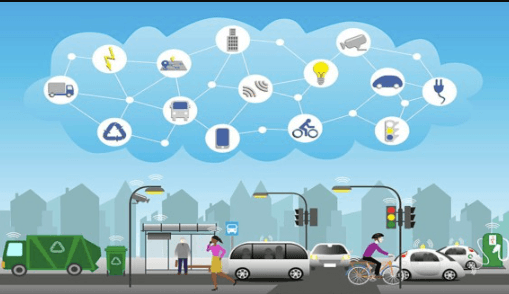
Smart infrastructure combines physical assets with digital monitoring, analytics, and automated control to improve reliability and efficiency. It relies on sensors, networks, scalable platforms, and governance to deliver real-time insights and resilient performance. Edge computing reduces latency and preserves bandwidth, enabling data-driven maintenance and cross-sector interoperability. While promising predictable service levels and lower downtime, it also raises questions about governance, security, and implementation costs that warrant careful consideration. The next step clarifies where these systems fit best and why.
What Is Smart Infrastructure and Why It Matters
Smart infrastructure refers to systems and networks that integrate physical assets with digital monitoring, data analytics, and automated control to improve reliability, efficiency, and resilience. It enables transparent decision-making and targeted improvements without rigid constraints.
Data governance ensures accountable data handling and quality.
Energy efficiency emerges from optimized operations, reduced waste, and smarter demand management, supporting autonomous, adaptable, and resilient urban and industrial environments.
The Core Technologies Driving Connected Infrastructure
Connected infrastructure relies on a set of core technologies that enable seamless data collection, real-time monitoring, and automated control across diversified assets. Core enablers include sensors, communications, and scalable platforms, delivering reliable insights. Data governance structures ensure accountability, security, and compliance, while edge computing minimizes latency and preserves bandwidth. Interoperability and standard protocols sustain resilient, adaptable systems for ongoing modernization and optimization.
Real-World Benefits, Use Cases, and Metrics That Matter
Real-world benefits of connected infrastructure are measured by reliability, efficiency, and resilience across urban, industrial, and critical-service environments.
In practice, outcomes include predictable service levels, reduced downtime, and optimized resource use.
Use cases span smart grids, automated factories, and adaptive transit.
Metrics emphasize data driven maintenance, system uptime, and energy per unit output, highlighting cross sector interoperability as a guiding design principle.
Challenges, Risks, and How to Build Resilient Systems
When building resilient infrastructure, organizations must anticipate and mitigate a range of failures—from cyber threats and software bugs to physical disruption and supply-chain fragility—while maintaining service continuity.
The challenges center on data governance, risk assessment, and asset visibility, demanding disciplined cybersecurity resilience, transparent governance, and rapid recovery planning.
Practical controls, principled architectures, and continuous testing support durable, autonomous operations under uncertainty.
Frequently Asked Questions
How Affordable Is Smart Infrastructure for Small Businesses?
Affordable for many SMBs, though depends on scale and needs. The affordability case hinges on infrastructure cost, scalable solutions, and ongoing maintenance. Scaling considerations, vendor incentives, and SMB deployment strategies shape bundled value and total cost of ownership.
What Regulatory Barriers Affect Deployment Timelines and Costs?
Regulatory timelines and compliance costs shape deployment; they vary by jurisdiction and project type. The analysis notes that permitting durations, data privacy rules, and interoperability standards extend timelines, while ongoing audits, certifications, and reporting elevate observable compliance costs.
How Is Data Ownership and Privacy Handled?
Data ownership rests with the data subjects or custodians as defined by policy; privacy protection failures risk exposure, while cross border data transfer rules, data minimization, and vendor lock-in address third party risk and accountability.
Can Legacy Systems Integrate With Smart Infrastructure Safely?
Legacy systems can integrate with smart infrastructure safely, but only through robust gateways, continuous monitoring, and strict adherence to safety standards. This approach enables legacy compatibility while preserving operational autonomy and empowering stakeholders with transparent, auditable controls.
See also: Smart Hospitals Explained
What Skills Are Required to Maintain These Systems?
The required skills include ongoing skills assessment and rigorous maintenance planning, ensuring proactive readiness; technicians analyze systems, document gaps, schedule updates, and implement controls, delivering reliable operation while preserving autonomy and safety within evolving smart infrastructure environments.
Conclusion
Smart infrastructure, at its core, harmonizes physical assets with digital oversight to deliver reliable, energy-efficient operations. By leveraging sensors, networks, scalable platforms, and governance, it enables proactive maintenance, data-driven decisions, and cross-sector interoperability. Yet security, data governance, and resilience remain critical stress tests. When implemented with robust cybersecurity and clear metrics, these systems become dependable engines of service consistency and efficiency, a steady lighthouse guiding urban and industrial networks through complexity and change.