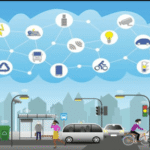
Smart hospitals integrate interoperable data systems, standardized protocols, and governance to support patient care. Real-time monitoring, wearables, and remote telemetry feed decision support and proactive management. AI, automation, and optimized workflows aim to reduce variability and predict needs, while data integrity, privacy, and security remain central. Adoption barriers and governance challenges shape implementation, creating a pragmatic path toward scalable, trustworthy care. The balance of these elements invites a careful examination of what comes next.
What Makes a Hospital a Smart Hospital
Smart hospitals integrate advanced information and communication technologies to optimize patient care, operational efficiency, and clinical outcomes. They rely on interoperable data ecosystems, standardized protocols, and governance frameworks that align technology with care goals. Data governance ensures integrity and accountability, while patient consent informs data sharing boundaries. System-wide analytics translate inputs into safer workflows, resource optimization, and transparent, traceable decision support.
Real-Time Monitoring and Data-Driven Care
This approach integrates data interoperability, wearables integration, remote telemetry, and clinical decision support to enable value based care.
Digital twin, predictive maintenance, patient portals, autonomous robotics, and staff burnout mitigation support proactive, patient-centered decision making.
AI, Automation, and Workflow Optimization
How can AI, automation, and workflow optimization transform hospital operations into resilient, high-value systems? The analysis depicts lean process redesign guided by data, with automated triage, predictive scheduling, and decision support reducing variability. Interoperability barriers constrain data flow, while privacy breaches demand robust governance. Outcomes include standardized protocols, measurable throughput gains, and cost control, supporting scalable, adaptable care models and autonomous, safe decision-making.
Challenges, Security, and Practical Adoption
The integration of AI, automation, and workflow optimization in hospital settings encounters persistent challenges related to data interoperability, governance, and system reliability, which can impede timely adoption and scalable impact.
The discussion outlines security risks, governance frameworks, and practical adoption barriers, emphasizing privacy concerns and vendor interoperability as key determinants of trust, interoperability, and sustainable, scalable performance across complex clinical ecosystems.
Frequently Asked Questions
How Do Patients Access Smart Hospital Services?
Patients access smart hospital services via standardized access protocols and patient portals, ensuring seamless interoperability across systems. Interoperability standards align with clinical workflows, supporting secure authentication, data exchange, and user empowerment within a data-driven, freedom-forward care environment.
What Are the Costs for Implementing Smart Hospital Tech?
Implementation costs vary by scope; ROI valuation depends on integration, utilization, and uptime. Coincidence frames uncertainty as data guides. The analysis shows upfront capital, ongoing maintenance, and training as factors influencing total cost and measurable returns.
How Is Patient Data Privacy Protected in Smart Hospitals?
Patient data privacy is safeguarded through robust data governance and consent frameworks, enforcing access controls, audit trails, encryption, and anomaly detection, enabling compliant, transparent, data-driven operations while preserving clinician autonomy and patient freedom within secure systems.
See also: Smart Homes: The Future of Living
Do Smart Hospitals Replace Clinicians or Augment Them?
Smart hospitals augment clinicians rather than replace them, enabling clinician augmentation and workflow optimization through advanced analytics, decision support, and interoperable systems, while preserving professional judgment and ensuring accountable, human-centered care within a data-driven care ecosystem.
How Long Does It Take to Become a Fully Smart Hospital?
A fully smart hospital timeline varies, but a realistic timeframe spans several years to decades, reflecting staged capabilities. Timeframe realism highlights gradual integration; workforce impact shifts as automation, data analytics, and interoperable systems mature within complex clinical workflows.
Conclusion
In a world of smart hospitals, data streams flow with clinical precision, and every heartbeat is charted by a patient-centric motherboard. Ironically, teams celebrate reduced wait times while conceding that “automation” simply mirrors human throughput—only faster. Wearables whisper continuous metrics; dashboards glare back with certainty that may outpace nuance. Yet the system hums, elegantly eliminating variance, until the final verdict: care optimized, not merely delivered. The irony persists: technology enhances trust, but never replaces it.